
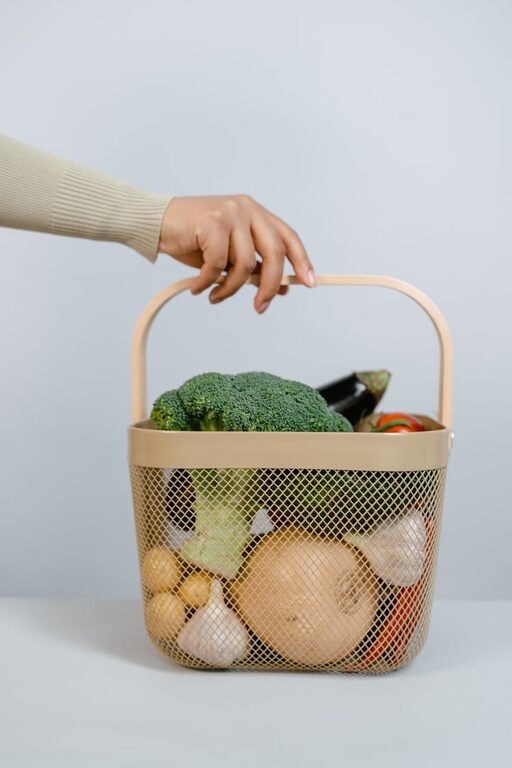
Reducing food waste at home not only benefits the environment but also helps save money and resources. Every year, millions of tons of food are discarded unnecessarily, contributing to pollution and wasting the energy used in production and transportation. Fortunately, with a few mindful habits, you can make a significant impact. This article offers practical tips and strategies to help you reduce food waste in your household.
Why Reducing Food Waste Matters
Food waste has a considerable environmental footprint. When food ends up in landfills, it decomposes and produces methane, a potent greenhouse gas. Additionally, wasting food means wasting water, energy, and labor used to grow, transport, and package it. By cutting down on food waste, you not only lessen your environmental impact but also get to enjoy fresher meals and save money.
Plan Your Meals and Shopping
Create a Weekly Meal Plan
Start by planning meals for the week. This helps you buy only what you need, reducing the chance of excess food spoiling. Consider dishes that use similar ingredients, so nothing goes unused.
Make a Shopping List
Based on your meal plan, write a detailed shopping list. Stick to it while shopping to avoid impulse buys that may end up wasted.
Check Your Pantry and Fridge Before Shopping
Before heading to the store, check what you already have. This avoids buying duplicates and encourages using up existing ingredients.
Smart Food Storage Techniques
Store Food Properly to Extend Freshness
Learn how to store fruits, vegetables, dairy, and leftovers correctly. For example, some produce lasts longer in the fridge, while others like tomatoes and bananas are best kept at room temperature.
Use Clear Containers for Leftovers
Keep leftovers in clear containers so you can see what’s inside easily. Label the containers with the date to remind yourself to eat them before they spoil.
Don’t Overload Your Fridge
A crowded refrigerator reduces air circulation and causes food to spoil faster. Organize your fridge so air flows freely and items are easy to access.
Practice Portion Control
Serve Smaller Portions at Meals
Serving smaller portions helps prevent uneaten food on plates. Family members can always take seconds if still hungry.
Use Leftovers Creatively
Don’t throw away leftovers. Incorporate them into new meals like soups, salads, stir-fries, or sandwiches.
Understand Expiration Dates
Know the Difference Between "Best By" and "Use By"
“Best by” dates indicate quality, not safety. Many foods are still safe to eat after this date. “Use by” is more about safety, especially for perishable items.
Trust Your Senses
Check food for spoilage through smell, texture, and appearance instead of relying solely on dates.
Compost Food Scraps
Start a Compost Bin
Food scraps like vegetable peels, coffee grounds, and eggshells can be composted. Composting reduces landfill waste and produces nutrient-rich soil for gardens.
Use Compostable Bags or Bins
Use compost-friendly containers to collect scraps easily and keep the process hygienic.
Tips to Use Food Efficiently
Freeze Excess Ingredients or Leftovers
Freezing preserves food for longer periods. Portion leftovers before freezing so you can thaw only what you need.
Use Ugly Produce
Don’t discard fruits and vegetables just because they look imperfect. Many of these “ugly” produce items are just as nutritious and tasty.
Make Broths and Sauces from Scraps
Vegetable scraps and bones can be boiled to create delicious broths, reducing waste and adding flavor to meals.
Educate and Involve the Whole Family
Share the Importance of Preventing Food Waste
Encourage everyone in your household to be mindful about food waste. Teach kids how to help with meal planning and composting.
Set Up a Family Challenge
Make reducing food waste a fun goal. Track how much food was saved each week and celebrate progress together.
—
By incorporating these simple habits into your daily routine, reducing food waste at home becomes manageable and rewarding. You’ll not only help the planet but also enjoy fresher meals and improve your budget. Start small, stay consistent, and watch your food waste shrink!