
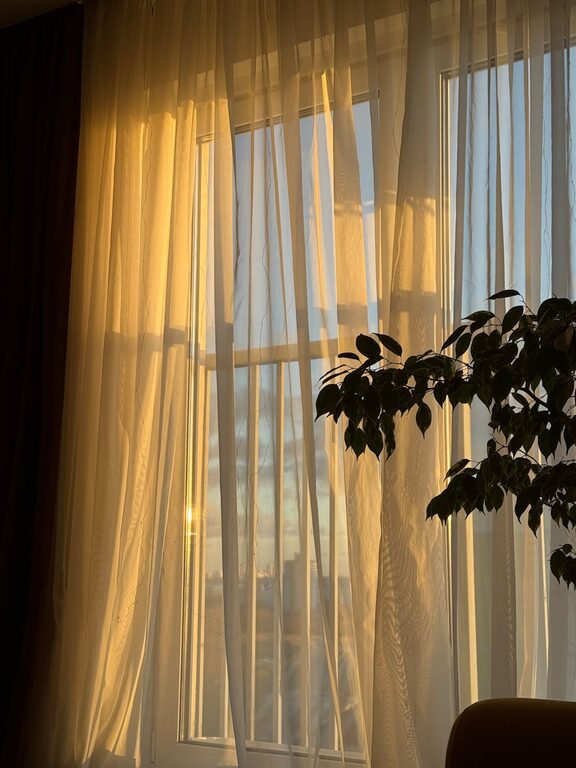
A dark room can feel cramped, dull, and uninviting. Whether your space lacks natural light or has dark-colored walls, there are plenty of quick and affordable ways to bring brightness and warmth to your room. In this post, we’ll explore practical tips and tricks to transform a dark room into a bright, cheerful space without major renovations or expensive upgrades.
Why Brightening a Room Matters
A well-lit room impacts your mood, productivity, and even how spacious the room feels. Bright spaces tend to feel larger, more open, and welcoming. If your room feels gloomy, it might affect your comfort and how much time you enjoy spending there.
Fortunately, you don’t need special tools or professional help. Let’s dive into some easy ideas you can start applying today.
1. Maximize Natural Light
Whenever possible, increase the amount of natural light entering your room. Here’s how:
– Keep windows clean: Dirt and grime can reduce light by blocking it.
– Use sheer curtains: Choose light, airy fabrics rather than heavy drapes to let sunlight pass through.
– Pull back curtains during the day: Open blinds or curtains fully to let in maximum light.
– Trim outdoor plants: If trees or shrubs block light from windows, consider trimming them back.
Natural light is the most cost-effective way to brighten a room and it helps maintain a pleasant atmosphere throughout the day.
2. Choose Light Wall Colors
Color plays a huge role in light reflection and how bright a room appears.
– Opt for light shades: Whites, creams, pale grays, or soft pastels reflect more light.
– Use satin or eggshell finishes: These finishes reflect light better than matte options.
– Paint ceilings white or a very light color: This helps bounce light downward.
If repainting a whole room isn’t practical, consider painting just one accent wall or even the trim and doors in a lighter color to boost brightness.
3. Add Mirrors Strategically
Mirrors reflect light and can instantly make a room feel larger and brighter.
– Place a mirror opposite a window: This bounces natural light around the room.
– Use large mirrors: Bigger mirrors create the illusion of space as well as spread light.
– Decorate with multiple mirrors: A gallery wall of mirrors can create a fun focal point while enhancing brightness.
Mirrors are a stylish and affordable way to amplify both natural and artificial light.
4. Improve Artificial Lighting
Sometimes, natural light isn’t enough or isn’t available during darker days or evenings. Follow these tips to enhance artificial lighting:
– Use multiple light sources: Combine ceiling lights, table lamps, and floor lamps for even lighting.
– Choose bulbs with high Lumens: Brighter bulbs provide more light.
– Use daylight or cool white bulbs: These mimic natural light and reduce dullness. Avoid warm yellow bulbs that can make a room feel darker.
– Consider adjustable lighting: Dimmers allow control over light levels depending on the time of day or activity.
Layering lighting helps reduce shadows that make a room feel gloomy.
5. Use Reflective and Light-Colored Decor
Your furniture and accessories influence room brightness too.
– Select light-colored furniture and rugs: White, beige, or pastel pieces reflect more light than dark, heavy furniture.
– Incorporate glossy or metallic finishes: Tables or decor with glass, chrome, or silver finishes bounce light around.
– Add bright cushions, throws, and art: Pops of vibrant color on light backgrounds liven up the room.
These subtle changes brighten the space and add personality.
6. Declutter and Organize
A cluttered room can feel darker and more cramped.
– Keep surfaces clear: Less clutter means light can reflect off surfaces better.
– Use open shelving or glass storage: Instead of dark, bulky furniture.
– Keep furniture minimal: Opt for space-saving pieces and avoid blocking light sources.
A tidy room immediately feels more open and airy.
7. Incorporate Plants
Adding greenery can have a freshening effect and brighten up the atmosphere.
– Choose light-loving plants: Place them near windows where they thrive.
– Use white or light pots: This keeps the look clean and bright.
– Hang plants from the ceiling or on shelves: To utilize vertical space without clutter.
Plants add life and color, enhancing the overall vibrancy of your room.
8. Replace Heavy Curtains With Blinds or Shades
Heavy drapes trap light and make rooms darker.
– Consider roller blinds or Roman shades: They provide privacy without sacrificing light.
– Choose light-colored fabrics or translucent materials: To allow some light through even when closed.
Light window treatments improve brightness while maintaining privacy.
9. Use Light-Colored Flooring or Rugs
Dark flooring can absorb light and contribute to a gloomy feeling.
– Choose light hardwood, laminate, or tile: If replacing the floor is an option.
– Add light-colored area rugs: Rugs with whites, creams, or soft patterns brighten the footprint of the room.
Flooring has a big visual impact on a room’s lightness.
Conclusion
Brightening a dark room doesn’t have to be complicated or costly. By maximizing natural light, choosing light colors, adding mirrors, improving artificial lighting, and decluttering, you can transform your space into a welcoming, airy environment. Small touches like light-colored decor, new window treatments, or a few plants can also make a big difference.
Try mixing and matching these ideas to suit your style and budget. With a bit of effort, your room can quickly feel brighter, bigger, and more cheerful—making it a place you love to spend time in!